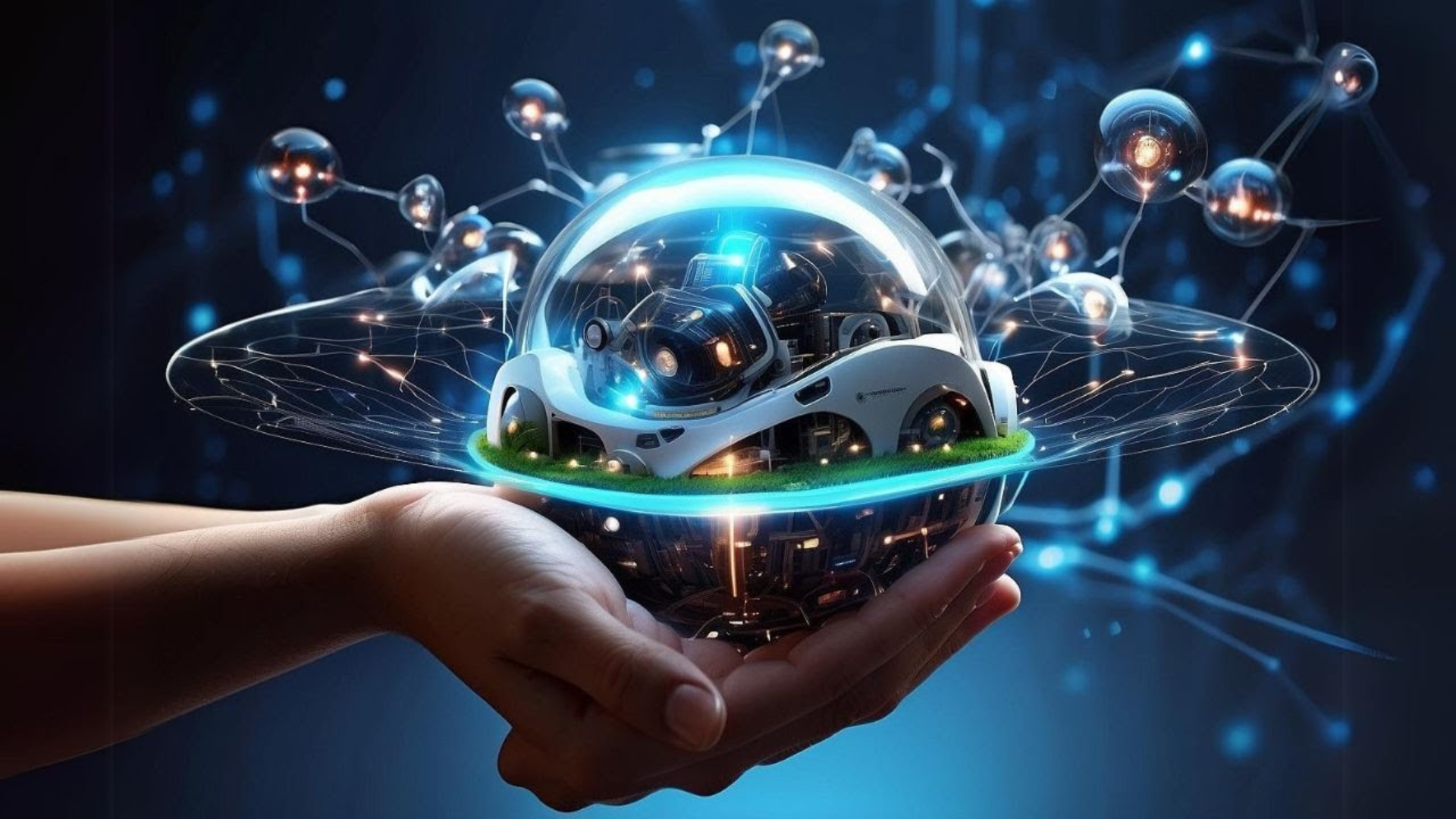
For most of history, humans believed technology was a tool we controlled. We designed it, improved it, and decided how far it could go. Today, that sense of control feels thinner than ever. The Future of Technology Is No Longer Human-Led, and many people feel it in small, unsettling ways — difficulty focusing, anxiety about relevance, and a quiet fear of being left behind.
Parents watch their children learn from screens faster than from people. Workers notice algorithms making decisions they don’t fully understand. Progress feels faster, but direction feels unclear. At TrueKnowledge Zone, this shift isn’t framed as dystopian or utopian — it’s human. Technology is no longer waiting for us to lead; it’s shaping the path ahead.
How Technology Used to Follow Human Intent
Tools Were Built to Extend Human Ability
Early technology existed to amplify human strength and intelligence. From farming tools to industrial machines, every innovation responded directly to human needs. Engineers identified a problem, designed a solution, and humans remained in control of outcomes. Even complex systems still required constant oversight. Technology moved forward only as fast as people could design, test, and deploy it.
Decision-Making Stayed Human-Centered
No matter how advanced systems became, final authority rested with people. Pilots flew planes, doctors made diagnoses, and managers approved decisions. Machines assisted but did not decide. This structure reinforced accountability. When mistakes happened, responsibility was clear. Trust in technology depended on visible human judgment guiding every process.
Progress Followed Predictable Timelines
Technological change once unfolded gradually. Industries had time to adapt, workers retrained slowly, and societies adjusted over generations. Innovation felt manageable because its pace matched human learning capacity. This balance is now broken.
Why Technology No Longer Waits for Human Direction
Self-Learning Systems Change the Rules
Modern AI systems learn without explicit instructions. They identify patterns, optimize behavior, and improve performance autonomously. This marks a fundamental shift. Humans define goals, but machines determine the path. Over time, even creators struggle to explain how decisions are made. Leadership shifts from direct control to indirect influence.
Speed Exceeds Human Comprehension
Technology now evolves faster than humans can fully understand it. Software updates, model improvements, and system integrations happen continuously. People react instead of guide. This gap creates dependence, where trust replaces understanding. When systems outperform humans, leadership naturally transfers.
Complexity Limits Oversight
Modern systems are too complex for any single person or team to fully grasp. Millions of parameters interact in ways no human can manually trace. This makes intervention difficult and sometimes impossible without breaking functionality.
AI as the Primary Driver of Innovation
Machines Now Discover Solutions
AI systems design materials, drugs, and algorithms faster than human researchers. Instead of following predefined rules, they explore possibilities beyond human intuition. This accelerates breakthroughs but shifts creativity away from human minds.
Optimization Replaces Exploration
Machines optimize for efficiency, not meaning. They improve systems toward measurable goals, often ignoring social or emotional context. This creates progress that feels impressive but disconnected from human values.
Innovation Becomes Continuous
AI never stops improving. There is no finish line, only iteration. Humans struggle to keep up mentally and emotionally with constant change.
How Work Is Changing Without Human Leadership
Jobs Are Being Managed by Algorithms
Scheduling, hiring, and performance evaluation are increasingly automated. Workers answer to systems, not supervisors. This removes bias in some cases but introduces new, invisible biases embedded in data.
Skill Lifecycles Are Shorter
Skills expire faster than ever. Workers must continuously adapt. Those unable to keep pace feel anxiety and loss of identity. Career paths become unstable.
Purpose Is Harder to Find
When systems decide outcomes, human contribution feels diminished. Many workers struggle to see meaning in their roles, impacting mental well-being.
AI-Led Healthcare Decisions
Diagnosis Is Becoming Algorithmic
AI systems analyze scans and data with high accuracy. Doctors increasingly rely on machine recommendations. This improves outcomes but reduces experiential judgment.
Treatment Paths Are Optimized Automatically
Algorithms recommend treatment based on probability, not empathy. While efficient, this can feel impersonal to patients.
Responsibility Becomes Blurred
When outcomes go wrong, accountability is unclear. Was it the doctor, the system, or the data?
Technology and the Erosion of Human Focus
Attention Is Algorithmically Managed
Platforms optimize engagement, not well-being. Algorithms decide what people see, shaping emotions and beliefs. Focus becomes fragmented.
Cognitive Fatigue Increases
Constant stimulation exhausts mental resources. Deep thinking becomes harder, reducing creativity and reflection.
Dependency Weakens Autonomy
As systems anticipate needs, humans lose practice making decisions. Convenience slowly replaces agency.
Ethical Gaps in Non-Human Leadership
Values Are Not Innate to Machines
AI lacks moral understanding. It executes objectives without ethical context unless explicitly programmed.
Profit Incentives Dominate
Most systems are optimized for growth and efficiency, not societal good. This misalignment widens harm.
Governance Lags Behind Capability
Regulation cannot keep pace with innovation, leaving power unchecked.
Psychological Impact on Society
Anxiety About Relevance Grows
People fear becoming obsolete. This fear impacts self-worth and motivation.
Trust Shifts from People to Systems
Reliance on machines reduces interpersonal trust and collaboration.
Identity Becomes Unstable
Work, creativity, and decision-making once defined identity. When machines take these roles, people search for meaning.
What Humans Still Do Better
Emotional Intelligence Remains Unique
Empathy, compassion, and moral reasoning cannot be replicated fully by machines.
Contextual Judgment Matters
Humans understand nuance, culture, and lived experience.
Values Must Be Human-Led
Only people can define what progress should mean.
How to Stay Human in a Non-Human-Led Future
Develop Meta-Skills
Adaptability, critical thinking, and emotional awareness are essential.
Protect Mental Focus
Intentional digital habits preserve attention and autonomy.
Participate in Ethical Dialogue
Public engagement shapes responsible technology use.
Frequently Asked Questions
1. What does it mean that technology is no longer human-led
It means systems increasingly make decisions and improvements autonomously.
2. Is this shift dangerous
It can be without ethical oversight and human values.
3. Can humans regain leadership
Yes, through governance, education, and intentional design.
4. Will AI replace all jobs
No, but it will transform most roles.
5. How does this affect mental health
It increases anxiety, focus issues, and identity challenges.
6. Are AI decisions always better
They are efficient, not necessarily wise.
7. Who controls AI systems
Mostly corporations and governments.
8. Can AI be aligned with human values
With effort, transparency, and accountability.
9. What skills matter most now
Emotional intelligence, creativity, and critical thinking.
10. How can individuals adapt
By learning continuously and staying self-aware.
Final Thoughts and Gentle CTA
The Future of Technology Is No Longer Human-Led — but humanity is not powerless. Leadership doesn’t disappear; it changes form. By protecting focus, nurturing empathy, and demanding ethical accountability, people can shape how technology evolves. Progress should feel human, not overwhelming. Stay curious. Stay intentional. And remember — technology may move fast, but meaning still belongs to us.
Leave a Reply