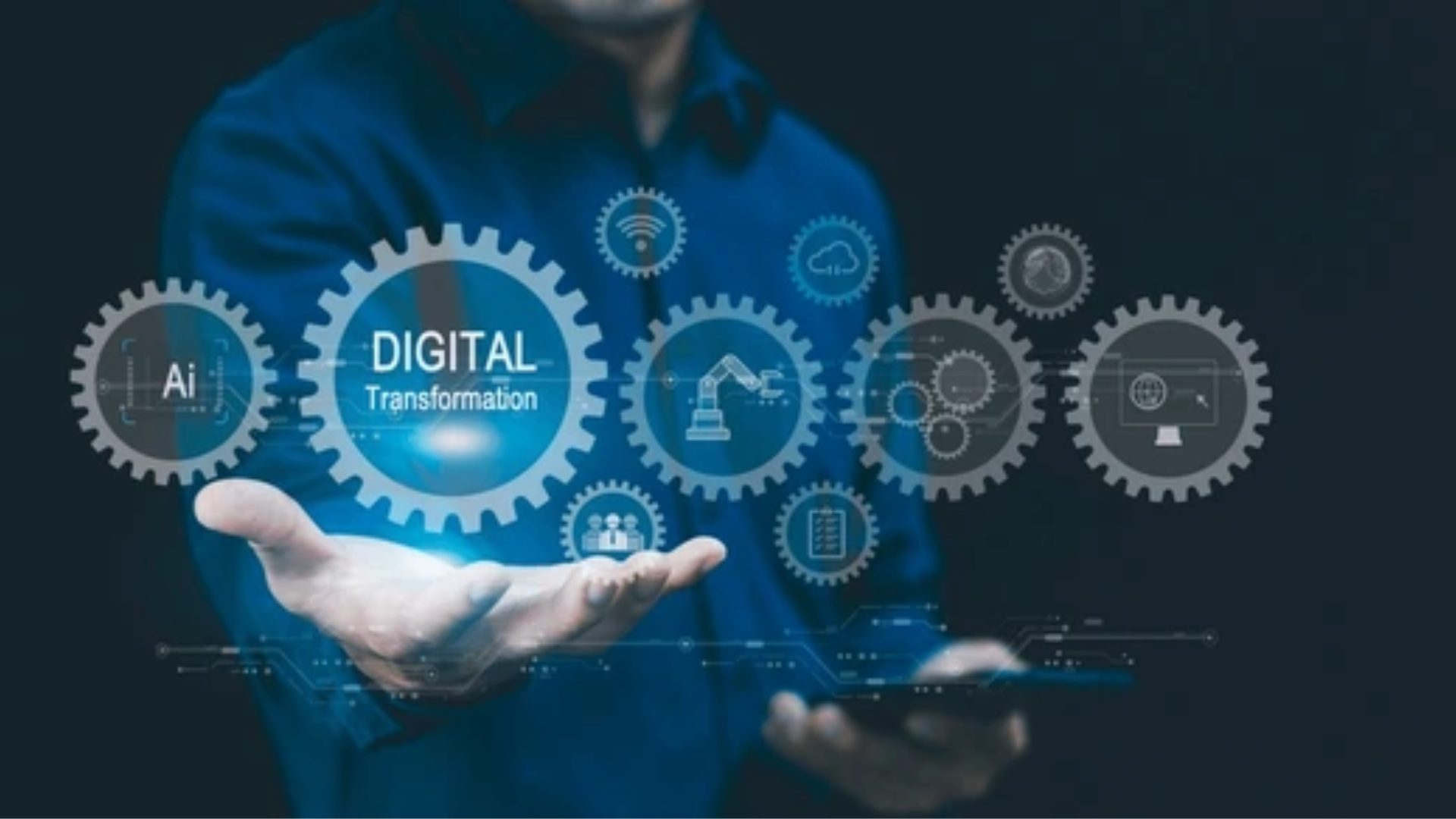
For years, businesses invested heavily in digital transformation—cloud migration, mobile-first strategies, and process digitization. Yet, in many organizations, the promises of efficiency, growth, and agility never fully materialized. Today, the message is clear: Digital Transformation Is Dead — AI Transformation Has Begun.
The shift is more than technological; it is human. Employees struggle to adapt to automated decision-making. Leaders scramble to understand AI’s strategic implications. Consumers experience personalized services that redefine expectations. At TrueKnowledge Zone, we see this as a human story: adaptation, foresight, and emotional intelligence determine who thrives in this new era.
Why Digital Transformation Failed to Deliver
Incremental Improvements Were Not Enough
Traditional digital transformation focused on digitizing existing processes rather than rethinking operations. The result: minor efficiency gains but limited strategic advantage.
Technology Without Intelligence
Digital systems stored data and automated tasks but lacked predictive insight or decision-making capabilities. Companies remained reactive, not proactive.
Cultural and Skill Gaps
Employees were unprepared for new digital systems, and leaders underestimated the human effort needed. Resistance, poor adoption, and skill shortages hampered progress.
AI Transformation: What It Means
Intelligence at the Core
AI transformation embeds intelligence into workflows, strategies, and customer experiences. Decisions are informed by predictive insights, automation, and continuous learning.
Dynamic Adaptation
Unlike digital transformation, AI transformation evolves. Systems learn from interactions, optimize performance, and adapt to changing environments in real-time.
Competitive Advantage Reimagined
Organizations that adopt AI transformation gain not just efficiency but foresight, personalization, and operational agility that digital systems alone cannot provide.
AI-Powered Decision Making
From Data to Insight
AI analyzes vast datasets to provide actionable intelligence, enabling faster, more accurate decisions than traditional analytics.
Reducing Human Error
By augmenting human judgment, AI reduces mistakes in operations, finance, and strategic planning.
Case Study: Retail Inventory
Walmart uses AI to anticipate demand, optimize stock, and prevent waste. The result is lower costs and higher customer satisfaction compared to purely digital systems.
Hyper-Personalization
Tailoring Customer Experience
AI delivers individualized recommendations, messaging, and services, increasing engagement and loyalty.
Real-Time Adaptation
Adaptive algorithms respond instantly to user behavior, creating a seamless, personalized journey.
Real-Life Example: Streaming Services
Netflix’s AI-driven recommendation engine keeps viewers engaged, outperforming competitors relying solely on traditional content strategies.
Automation and Operational Efficiency
Beyond Replacing Tasks
AI automates complex workflows, from scheduling to predictive maintenance, improving efficiency at scale.
Continuous Improvement
Autonomous systems learn from operations, continuously optimizing processes without human intervention.
Case Study: Smart Manufacturing
Factories using AI-driven robotics and predictive maintenance minimize downtime, reduce errors, and increase throughput beyond the reach of basic digital tools.
Predictive Analytics and Forecasting
Anticipating Market Shifts
AI identifies trends, consumer behavior patterns, and potential disruptions, allowing organizations to act before competitors.
Reducing Risk
Predictive systems improve financial planning, supply chain resilience, and operational stability.
Real-Life Example: Financial Services
Banks leverage AI for fraud detection and credit scoring, minimizing risk while delivering personalized financial solutions.
AI-Enhanced Customer Support
Chatbots and Virtual Assistants
AI provides real-time support, handling inquiries efficiently while learning to improve responses over time.
Human-AI Collaboration
AI handles routine queries, freeing human agents to focus on complex issues requiring empathy and judgment.
Case Study: E-Commerce
Companies like Shopify integrate AI chatbots to enhance customer support, reducing response times and increasing satisfaction metrics.
Edge AI and Decentralized Intelligence
Real-Time Decision Making
Edge AI processes data locally on devices, enabling immediate actions in IoT networks, autonomous vehicles, and industrial systems.
Competitive Advantage
Faster decisions and reduced latency create operational efficiency impossible with centralized digital systems.
Real-Life Example: Autonomous Transportation
Edge AI allows self-driving cars to analyze sensor data instantly, enhancing safety, reliability, and route optimization.
AI in Supply Chain and Logistics
Predictive Routing
AI anticipates traffic, demand, and delays, optimizing delivery schedules dynamically.
Reducing Operational Costs
Automation, predictive maintenance, and inventory management reduce overhead and improve margins.
Case Study: Global Logistics
FedEx and DHL integrate AI-driven logistics, achieving faster delivery and operational efficiency beyond traditional digital tracking systems.
Ethical AI and Governance
Responsible Adoption
Ethical frameworks prevent bias, ensure compliance, and maintain trust, which is critical in AI transformation.
Long-Term Strategic Advantage
Companies that prioritize ethical AI gain reputation, regulatory compliance, and customer loyalty.
Real-Life Example: Tech Industry Leaders
Microsoft and Google implement AI ethics boards and transparent policies, setting industry standards while safeguarding brand value.
AI in Workforce Transformation
Upskilling and Collaboration
AI augments human capabilities, requiring employees to develop AI literacy and collaborative skills.
Creating Higher-Value Roles
Repetitive tasks are automated, enabling humans to focus on strategy, creativity, and emotional intelligence.
Case Study: Healthcare Professionals
Doctors using AI-assisted diagnostics increase accuracy and patient outcomes, showing the power of AI-human collaboration over digital-only processes.
AI as a Strategic Differentiator
Intelligence-Driven Competition
AI transforms products, services, and operations, providing differentiation that digital tools alone cannot achieve.
Continuous Learning and Adaptation
Organizations that embed AI strategically gain foresight, scalability, and resilience in a rapidly changing market.
Real-Life Example: E-Commerce Giants
Amazon uses AI to optimize recommendations, inventory, and delivery, maintaining market dominance that digital transformation alone could not deliver.
The Economic Impact of AI Transformation
Exceeding Digital Transformation
AI generates economic value by creating intelligent systems, predictive insights, and autonomous operations, surpassing traditional digital ROI.
New Business Models
AI enables subscription, outcome-based, and platform models that were impossible in digital-only frameworks.
Global Competitiveness
Nations and companies integrating AI transformation early gain significant advantage in wealth, influence, and innovation leadership.
Practical Steps for Organizations
Invest in AI Infrastructure
Cloud platforms, data pipelines, and AI tools are the foundation of transformation.
Develop Talent and Culture
Upskilling, fostering adaptability, and promoting AI literacy ensures human-machine collaboration succeeds.
Align Ethics and Strategy
Responsible AI safeguards trust, brand value, and long-term sustainability, enabling organizations to scale confidently.
Frequently Asked Questions
1. Why is digital transformation considered “dead”?
It focused on digitizing existing processes rather than embedding intelligence, limiting strategic value.
2. What makes AI transformation different?
AI transformation integrates predictive insight, autonomous operations, and continuous learning into every aspect of business.
3. Which industries benefit most?
Healthcare, finance, logistics, manufacturing, retail, and transportation are leading AI transformation adoption.
4. Will AI replace human jobs?
AI augments human roles, automates repetitive tasks, and creates opportunities for higher-order skills.
5. How can companies start AI transformation?
Invest in infrastructure, integrate AI into operations, reskill employees, and prioritize ethical frameworks.
6. Is AI transformation only for large companies?
No. Cloud AI, automation tools, and predictive systems allow small businesses to compete with large incumbents.
7. How does AI transformation affect consumers?
It enhances personalization, efficiency, and service quality while raising expectations for responsiveness.
8. Are there risks with AI transformation?
Yes. Risks include bias, cybersecurity, ethical issues, and operational dependency if poorly managed.
9. How is AI different from digital tools?
Digital tools store and process data; AI interprets, predicts, and automates decisions dynamically.
10. Why is ethical AI important?
Ethical AI ensures compliance, trust, and long-term adoption while mitigating social and business risks.
Conclusion and Gentle CTA
Digital Transformation Is Dead — AI Transformation Has Begun, marking a shift from digitization to intelligence. Success will favor organizations and individuals who adopt AI strategically, responsibly, and creatively.
The future belongs to those who embrace AI as a partner, cultivate human skills that machines cannot replicate, and align technology with ethical and societal values. Stay informed, stay adaptable, and step confidently into the AI-powered era where transformation is continuous, intelligent, and human-centered.
Leave a Reply