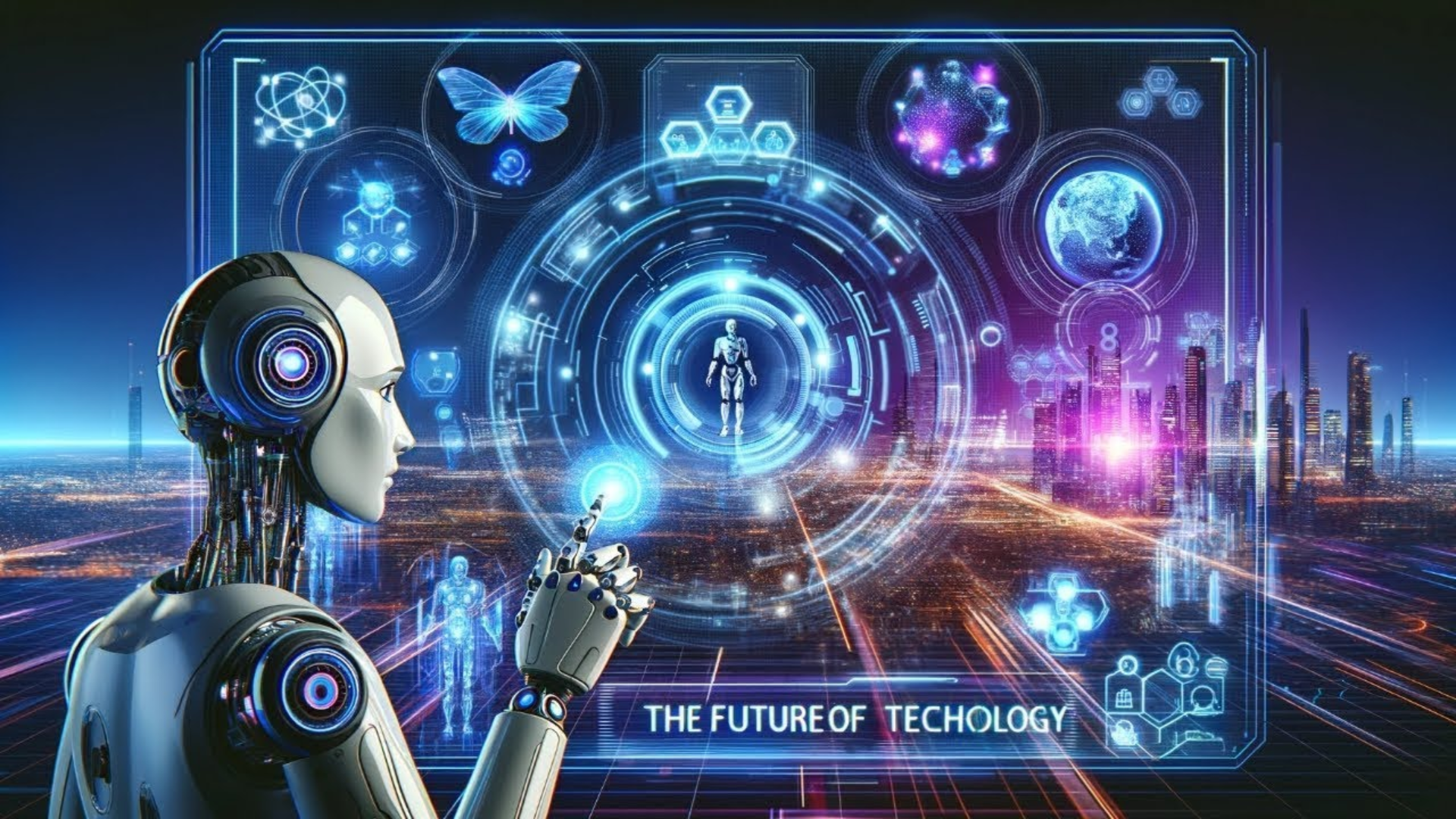
The future is being shaped not by what we can see, but by technologies operating quietly behind the scenes. These “invisible technologies”—from AI-driven systems and quantum networks to nanoscale devices—are poised to control, monitor, and optimize global systems without being noticed by the average person.
Experts warn that while some of these innovations will bring unprecedented efficiency and convenience, they will also raise questions about privacy, control, and ethics. In this article, we explore the invisible technologies shaping the future world, how they work, and their societal implications.
What Are Invisible Technologies?
Defining Invisible Technologies
Invisible technologies refer to systems and tools that operate in the background, often unnoticed by users, yet influence major aspects of life, including:
-
Energy distribution
-
Transportation systems
-
Communication networks
-
Economic transactions
-
Personal health and behavior
These technologies are often autonomous, adaptive, and interconnected, making them powerful forces in shaping societies.
Why They Matter
Invisible technologies matter because they control the systems humans rely on every day:
-
AI manages logistics and supply chains
-
Algorithms determine social media content and recommendations
-
Sensors monitor environmental and industrial conditions
-
Networks of devices interact autonomously to optimize performance
Their invisibility often makes their influence harder to regulate and understand, creating both opportunities and risks.
Key Invisible Technologies Shaping the Future
Artificial Intelligence and Machine Learning
AI is perhaps the most influential invisible technology:
-
Optimizes workflows in industries
-
Predicts consumer behavior and market trends
-
Manages autonomous vehicles, drones, and robotics
Its adaptability and invisibility allow AI to control and influence systems without direct human intervention, effectively shaping decisions and outcomes globally.
Quantum Computing and Networks
Quantum technologies, still largely behind the scenes, promise to:
-
Solve complex problems unthinkable for classical computers
-
Revolutionize cryptography and data security
-
Optimize logistics, energy grids, and scientific simulations
As quantum computing becomes more integrated, its invisible influence on global systems will grow exponentially.
IoT (Internet of Things) and Sensor Networks
The IoT is a network of connected devices that communicate in real time:
-
Smart homes adjust energy usage without human input
-
Industrial sensors optimize production efficiency
-
Environmental sensors monitor climate and pollution levels
The invisible flow of data across these networks allows systems to self-regulate and improve continuously.
Nanotechnology
Nanotech enables invisible manipulation at the molecular level:
-
Medical nanobots for drug delivery and organ repair
-
Materials with adaptive or self-healing properties
-
Environmental remediation at the microscopic scale
These technologies operate beyond human perception, yet directly impact health, industry, and the environment.
Blockchain and Distributed Ledger Technologies
Blockchain operates invisibly in the background to:
-
Manage supply chains
-
Authenticate digital assets and identity
Its decentralized nature gives invisible control over trust, verification, and record-keeping in digital systems.
How Invisible Technologies Will Control the Future
Automation and Decision-Making
Invisible AI and automation will increasingly make critical decisions autonomously, including:
-
Allocating resources in smart cities
-
Predicting health risks and treatment plans
-
Optimizing traffic flow and energy grids
These decisions, though unseen, will affect millions of lives daily.
Predictive Analytics and Behavioral Influence
AI-powered predictive systems will anticipate human behavior, influencing:
-
Consumer purchasing decisions
-
Social media interactions
-
Economic and political trends
This subtle influence could shape societal behaviors and economic outcomes without people realizing it.
Environmental and Infrastructure Control
Invisible technologies will monitor and manage:
-
Energy consumption and distribution
-
Water resources and waste management
-
Transportation systems and supply chains
By self-optimizing infrastructure, these technologies will silently govern urban and industrial environments.
Implications for Society
Benefits
-
Increased efficiency and productivity
-
Better healthcare and personalized treatments
-
Reduced environmental impact through intelligent systems
Risks and Ethical Concerns
-
Privacy violations and mass surveillance
-
Algorithmic bias and inequality
-
Loss of human oversight and decision-making autonomy
Experts warn that governance and regulation must evolve to keep pace with these invisible forces.
Preparing for an Invisible Future
Society should:
-
Educate citizens about AI, IoT, and nanotech
-
Implement ethical standards for autonomous systems
-
Develop transparent and accountable AI models
These steps ensure that invisible technologies serve humanity, rather than control it unchecked.
Examples in Today’s World
Smart Cities
Many cities already use invisible technologies:
-
Traffic lights adapt in real-time to traffic conditions
-
Energy grids optimize consumption automatically
-
Surveillance systems ensure safety while collecting data
Financial Systems
Invisible algorithms manage:
-
High-frequency trading
-
Credit scoring and risk assessment
-
Fraud detection
These systems influence economies without most people being aware.
Healthcare
-
AI analyzes patient records to predict illnesses
-
Sensors track vitals and environmental factors
-
Nanotech is being tested for invisible medical interventions
Healthcare outcomes are increasingly shaped by technologies operating in the background.
The Future Outlook
Integration and Interconnection
The future will see invisible technologies interconnected, creating global systems that:
-
Communicate and adapt autonomously
-
Optimize human and industrial activity
-
Operate largely unseen but with massive influence
Ethical and Governance Challenges
The more invisible these technologies become, the greater the need for:
-
Transparency in algorithms
-
Regulatory oversight for AI and IoT systems
-
Accountability for decisions made autonomously
Balancing Innovation and Control
To benefit from invisible technologies while minimizing risks, society must:
-
Encourage innovation responsibly
-
Protect privacy and civil liberties
-
Promote understanding of the unseen forces shaping daily life
Conclusion
Invisible technologies are quietly taking control of the future world. From AI and IoT to nanotechnology and quantum computing, these systems operate behind the scenes, optimizing, predicting, and influencing outcomes on a global scale. While they offer tremendous benefits in efficiency, healthcare, and environmental management, their invisibility presents ethical, social, and regulatory challenges. Preparing for a future dominated by these technologies requires education, transparency, and proactive governance, ensuring that innovation serves humanity rather than controlling it unnoticed.
Frequently Asked Questions
What are invisible technologies?
Answer: Invisible technologies are systems that operate in the background, often unnoticed by users, but control and optimize critical processes in daily life, industries, and infrastructure.
Which technologies are considered invisible?
Answer: Examples include AI algorithms, IoT networks, nanotechnology, blockchain, quantum computing, autonomous systems, and advanced sensors.
How do invisible technologies control the future?
Answer: They autonomously manage systems, make decisions, optimize resources, predict human behavior, and influence global infrastructure without direct human intervention.
Why are invisible technologies important?
Answer: They increase efficiency, improve decision-making, reduce resource waste, and enable automation in sectors like healthcare, finance, smart cities, and transportation.
How are AI and invisible technologies connected?
Answer: AI powers many invisible technologies, analyzing data, making autonomous decisions, and optimizing systems, all while remaining largely unseen by users.
What are the risks of invisible technologies?
Answer: Risks include privacy breaches, algorithmic bias, loss of human control, mass surveillance, and ethical challenges in autonomous decision-making.
Can invisible technologies affect personal privacy?
Answer: Yes. Sensors, IoT devices, and AI systems collect vast amounts of data, making privacy protection and regulatory oversight essential.
How are invisible technologies used in smart cities?
Answer: They optimize traffic flow, energy usage, waste management, and public safety through interconnected AI, IoT sensors, and autonomous systems.
Are invisible technologies already part of our daily lives?
Answer: Yes. Examples include AI recommendations, smart devices, financial algorithms, supply chain management, and automated monitoring systems.
How should society prepare for invisible technologies?
Answer: By educating citizens, implementing ethical frameworks, ensuring transparency in AI and autonomous systems, and creating regulations to protect privacy and security.
Leave a Reply