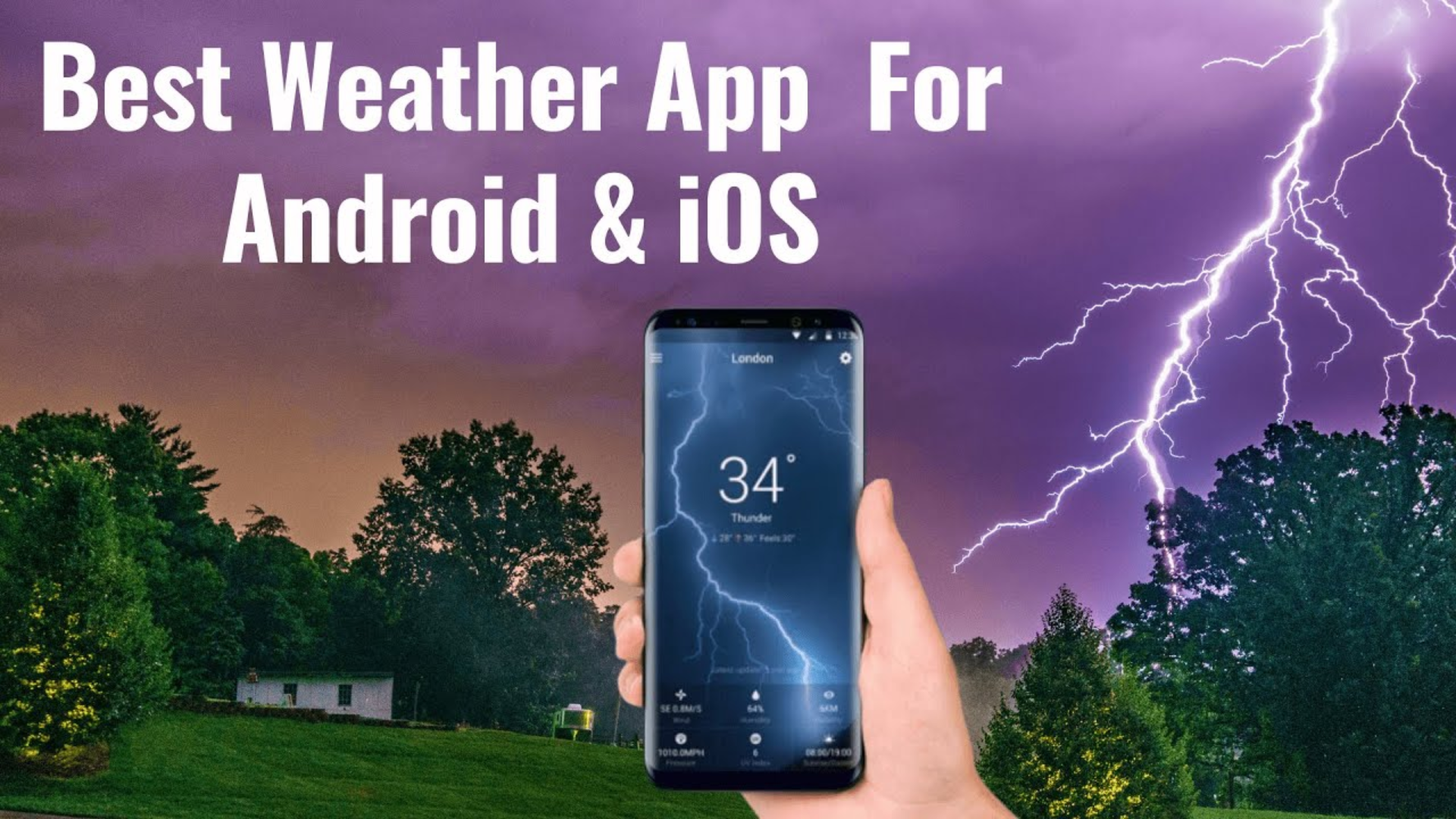
Weather affects everything—your commute, your business operations, outdoor plans, and even your mental wellbeing. With climate patterns becoming increasingly unpredictable, staying informed has never been more critical. Ultimate Guide to Weather Forecasting Apps in 2026 explores the tools helping millions anticipate, adapt, and plan their lives.
From severe storms to subtle shifts in temperature, relying on outdated forecasts can create stress and disrupt routines. At TrueKnowledge Zone, we aim to guide readers through the best apps, features, and trends shaping weather forecasting in 2026, ensuring accuracy, usability, and real-time insights that truly help people navigate their world.
How Weather Forecasting Has Evolved
From Traditional Forecasts to Real-Time Data
Forecasting has moved from static TV or newspaper updates to real-time, GPS-based insights accessible on smartphones.
AI and Predictive Models
Advanced machine learning algorithms now interpret massive datasets, improving accuracy and precision.
Personalized Alerts
Modern apps provide location-specific notifications, allowing users to plan proactively instead of reactively.
AI-Powered Predictions
Machine Learning in Forecasting
AI analyzes historical data, satellite imagery, and sensor inputs to provide hyper-accurate forecasts.
Short- and Long-Term Accuracy
Algorithms forecast immediate weather conditions and predict long-term trends for planning purposes.
Real-Life Example: Extreme Weather Alerts
Storm detection apps use AI to provide timely warnings, reducing risks for communities prone to hurricanes or floods.
Hyperlocal Weather Apps
Neighborhood-Level Insights
GPS-enabled apps track weather conditions down to streets or city blocks for precise planning.
Benefits for Daily Life
Farmers, commuters, and outdoor enthusiasts gain actionable insights that larger-scale forecasts can’t provide.
Case Study: Agriculture Optimization
Farmers in Europe use hyperlocal apps to decide irrigation, planting, and harvesting, increasing yield and efficiency.
Augmented Reality and Visualization
Visual Weather Maps
AR and interactive graphics make forecasts more intuitive, helping users “see” conditions in their area.
Immersive User Experience
Forecast visualization aids in understanding complex weather patterns and predictions.
Real-Life Example: Outdoor Enthusiasts
Hikers and climbers use AR-enabled apps to plan safe routes based on live weather visuals.
Integration With IoT Devices
Smart Home Integration
Apps communicate with connected thermostats, sprinklers, and lights to optimize daily routines based on weather changes.
Automating Responses
Rain sensors trigger irrigation shutdowns, while temperature alerts adjust heating or cooling systems.
Case Study: Smart Farming
IoT-integrated weather apps help farmers automate irrigation, reducing water usage and energy costs.
Personalized Weather Alerts
Tailored Notifications
Users receive alerts specific to their location, schedule, and preferences, like rain warnings for commuting hours.
Enhanced Safety
Timely notifications help prevent accidents, property damage, and travel delays.
Real-Life Example: Urban Commuters
City dwellers rely on personalized weather alerts to plan trips, avoiding flooded routes or heatwave exposure.
Climate Trend Analysis
Long-Term Insights
Apps provide insights into climate patterns, seasonal changes, and environmental shifts over time.
Supporting Decision-Making
Businesses, governments, and individuals use these trends for strategic planning and risk assessment.
Case Study: Insurance Industry
Insurance companies leverage climate trend data to model risks, adjust premiums, and guide policy decisions.
Collaborative and Community Features
Crowdsourced Weather Reports
Users share real-time observations, enhancing forecast accuracy and local relevance.
Building Community Awareness
Communities track storms, snowfall, or unusual events collectively, creating stronger preparedness networks.
Real-Life Example: Citizen Weather Networks
Platforms like Weather Underground allow users to submit local weather data, improving forecast reliability globally.
Gamification and Engagement
Interactive Features
Apps incentivize engagement through badges, streaks, or challenges related to reporting weather or checking forecasts.
Learning and Awareness
Gamified experiences increase understanding of weather patterns and encourage users to plan proactively.
Case Study: Educational Apps
Apps used in schools integrate gamification to teach students about meteorology and climate science.
Multi-Platform Integration
Cross-Device Accessibility
Weather apps sync across phones, tablets, smartwatches, and home devices, providing seamless updates.
Real-Time Notifications Everywhere
Users receive instant alerts regardless of location, ensuring they’re always informed.
Real-Life Example: Smartwatch Alerts
Commuters and athletes receive vibration notifications for sudden weather changes without checking phones constantly.
Trusted Data Sources
Satellite and Sensor Integration
Forecasts rely on real-time satellite imagery, radar data, and IoT sensors for accuracy.
Transparent Algorithms
Apps with clear sources and prediction methodologies build user trust and credibility.
Case Study: Global Disaster Response
Emergency management agencies rely on trusted apps to coordinate evacuation plans and disaster response efficiently.
Practical Tips for Choosing a Weather App
Accuracy and Reliability
Select apps with robust AI algorithms, verified sources, and real-time data integration.
Personalization Options
Look for apps that allow customized alerts based on location, activities, or severity levels.
Interface and Usability
A clean, intuitive interface ensures information is easily understood and acted upon.
Additional Features
Check for AR visualization, IoT integration, climate trends, and community collaboration options for a comprehensive experience.
Frequently Asked Questions
1. Which weather apps are best for 2026?
AI-powered apps with hyperlocal, real-time updates and community features are leading the market.
2. How accurate are modern weather apps?
AI and predictive analytics have improved accuracy significantly, often exceeding traditional forecasts.
3. Can apps provide early warnings for extreme weather?
Yes. Many apps integrate real-time data and alert systems for storms, floods, and other emergencies.
4. Are there free apps that are reliable?
Yes. Free apps like Weather Underground, AccuWeather, and Windy offer reliable hyperlocal forecasts.
5. How do AR features enhance weather apps?
AR visualizations allow users to see temperature, precipitation, and storm movement interactively.
6. Can weather apps integrate with smart homes?
Yes. Many apps connect to thermostats, sprinklers, and lighting for automated responses.
7. Are weather apps useful for agriculture?
Absolutely. Hyperlocal forecasts help farmers plan planting, irrigation, and harvesting efficiently.
8. Do apps provide climate trend insights?
Advanced apps track seasonal and long-term climate patterns for planning and risk assessment.
9. How do community features improve forecasts?
Crowdsourced data provides real-time updates, improving local accuracy and preparedness.
10. What should I look for in a 2026 weather app?
Prioritize accuracy, AI integration, real-time updates, personalized alerts, usability, and data transparency.
Conclusion and Gentle CTA
Ultimate Guide to Weather Forecasting Apps in 2026 shows that staying informed is no longer optional—it’s essential. With AI, IoT integration, hyperlocal insights, and interactive features, the right app can improve safety, efficiency, and daily planning.
Choose tools that align with your lifestyle, verify sources, and embrace the interactive and predictive capabilities available today. Stay proactive, stay prepared, and let intelligent weather apps guide you through an unpredictable world with confidence.
Leave a Reply